

In the Footsteps of the Sikh Gurus
Punjab through the Gurus’ history and gurdwara spaces
Amritsar, Goindwal, Tarn Taran and Anandpur Sahib connect different chapters of Sikh history. Water, shrine courtyards and city streets reveal how community memory continues in present-day life.
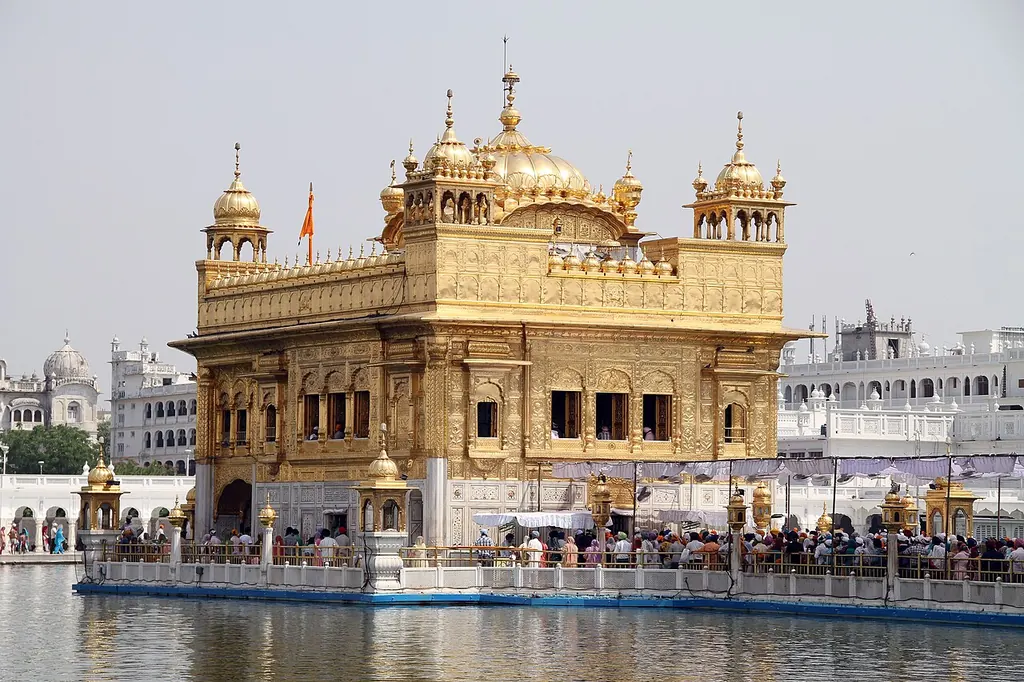
Amritsar: architecture and living tradition
On this page
A closer look at the journey
A Punjab itinerary exploring Sikh history, gurdwaras and the tradition of service. Amritsar is the centre; regional excursions reveal shrines in their urban and community settings. For religious-cultural communities and groups wishing to understand the tradition with a guide. Shrine schedules, community events and facilitators are clarified separately.
Who this programme is for
For groups seeking a connected introduction to Sikh culture and Punjab’s history, including first-time learners. Explanations and visits are tailored to participants’ interests.
What makes this journey special
One tradition in depth
Rather than a brief introduction to several religions, this journey focuses on Sikh culture and its centres.
Service and hospitality
Observe everyday gurdwara life and learn the etiquette of respectful visiting.
Regional context
Several Punjab cities offer a wider understanding of the tradition than a single short Amritsar visit.
Community, memory and hospitality
Four places offer different ways to read a cultural heritage through architecture, historical accounts and attention to people. Your guide explains symbols; personal conclusions remain yours.
Places along your journey
Photographs of real places convey the journey’s character. Captions explain the context and arrangements that need agreement.
Choose a photograph or its title to open the corresponding day or stage.
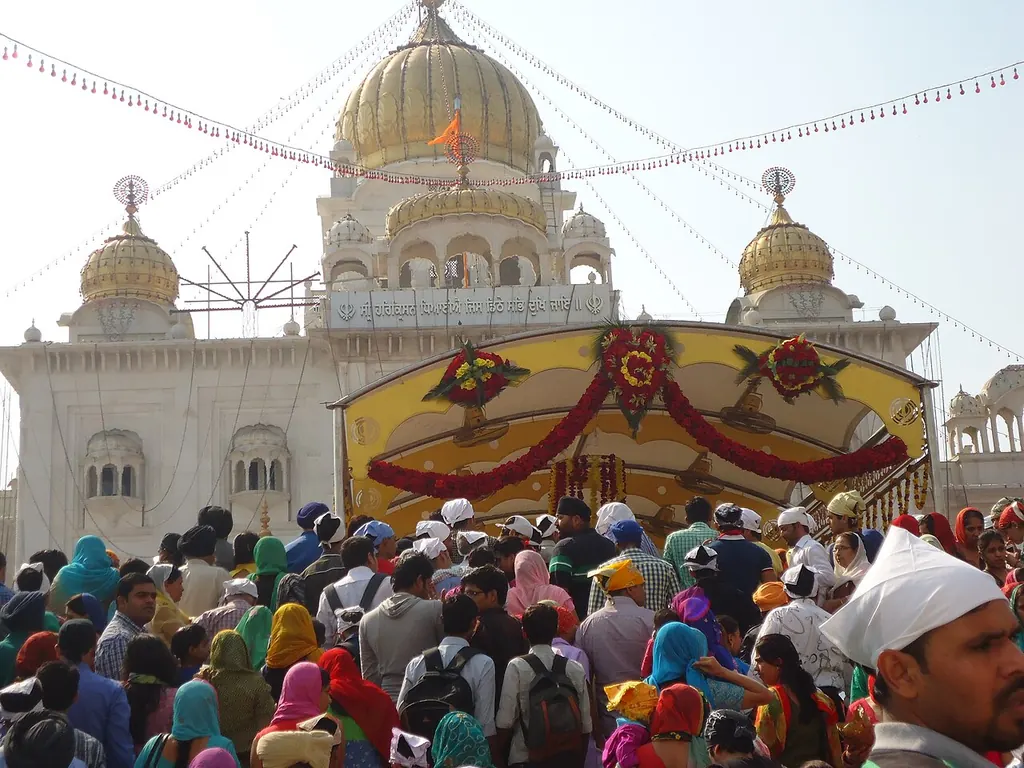
Delhi: the beginning of a Sikh journey
Bangla Sahib illustrates the capital's Sikh heritage. The introductory conversation and cultural section are tailored to the group before travelling to Punjab.
Amritsar: architecture and living tradition
The Golden Temple unfolds through water and the complex's daily life. Visiting time follows the local routine and the journey's overall logistics.
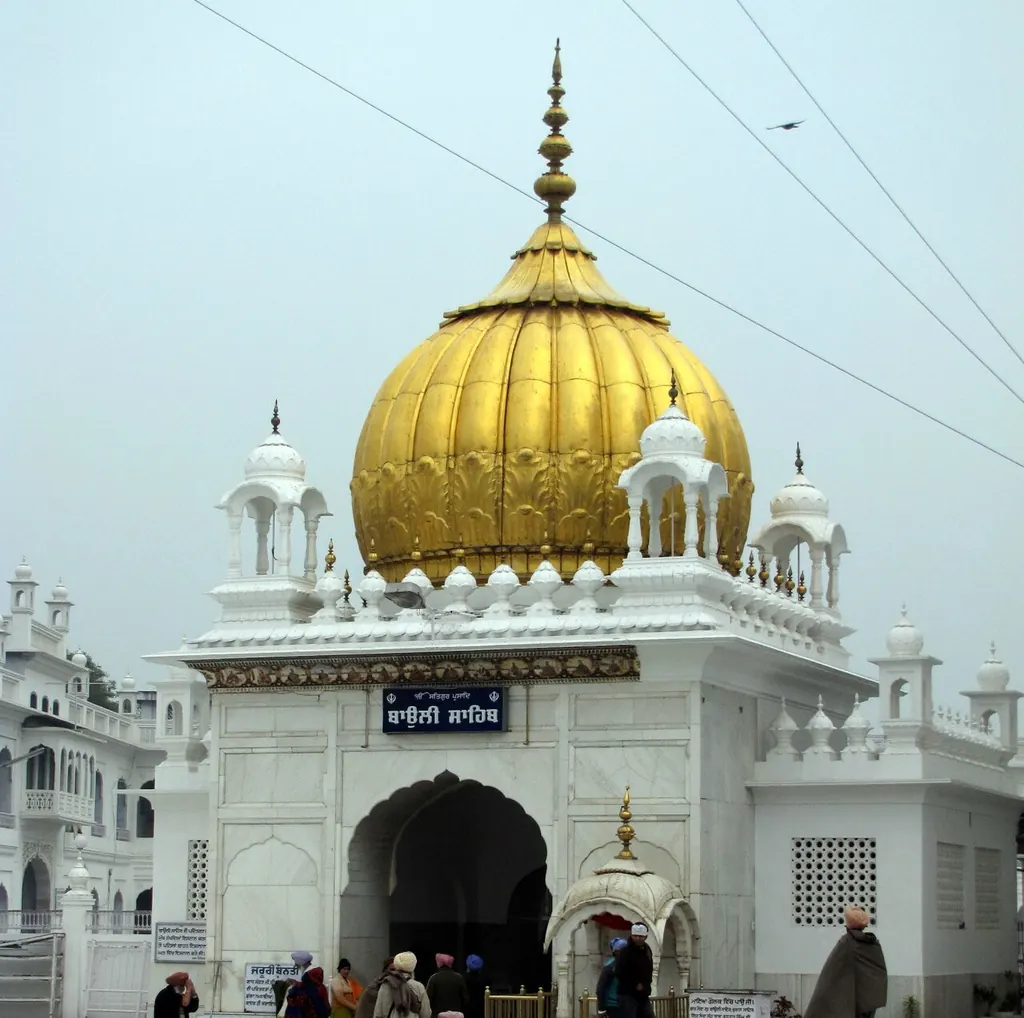
Goindwal: another chapter of heritage
The white façade and golden dome mark a Sikh shrine. The regional outing includes the guide's explanations and time for independent exploration.
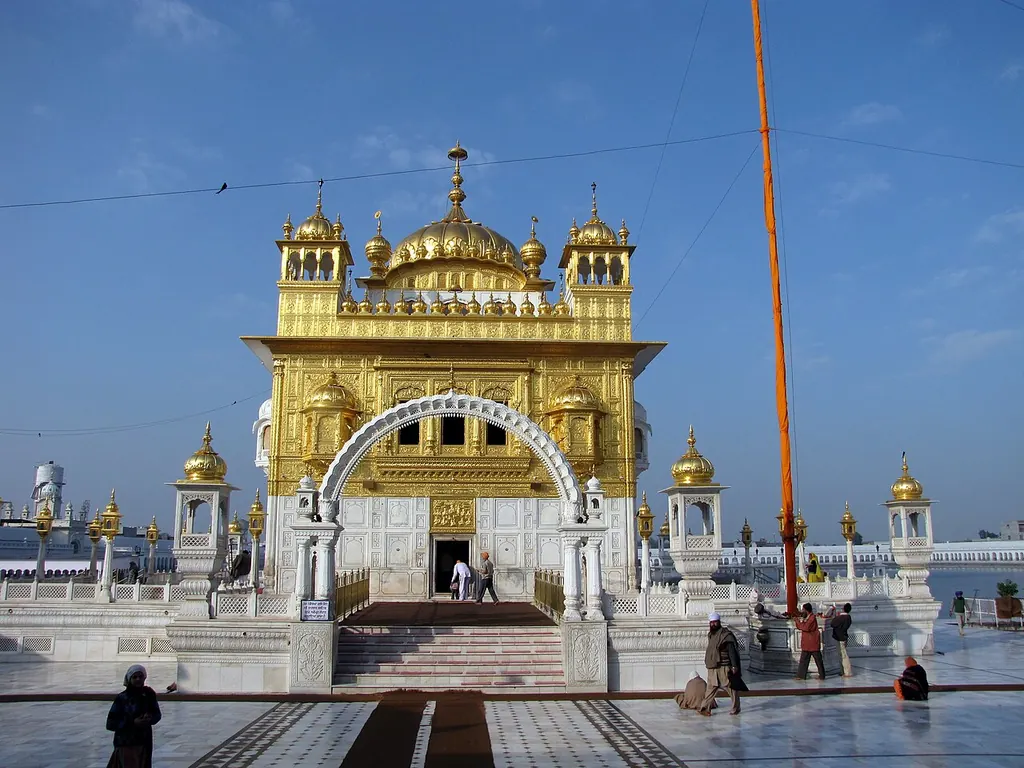
Tarn Taran: continuing the Punjab journey
The shrine's architecture adds another image of the tradition. The gurdwara visit depends on access and the host's rules.
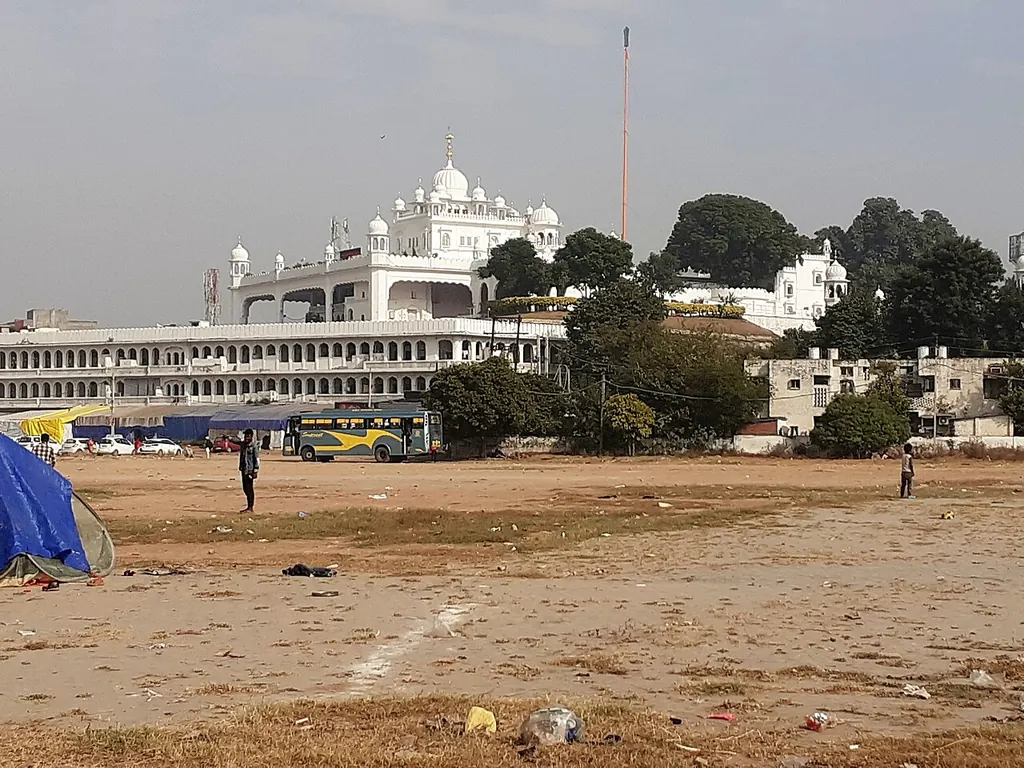
Anandpur Sahib: a distinct cultural stage
The white Kesgarh Sahib complex changes the journey's scale. Transfer and visiting time are tailored to the chosen duration, leaving space to experience the place.
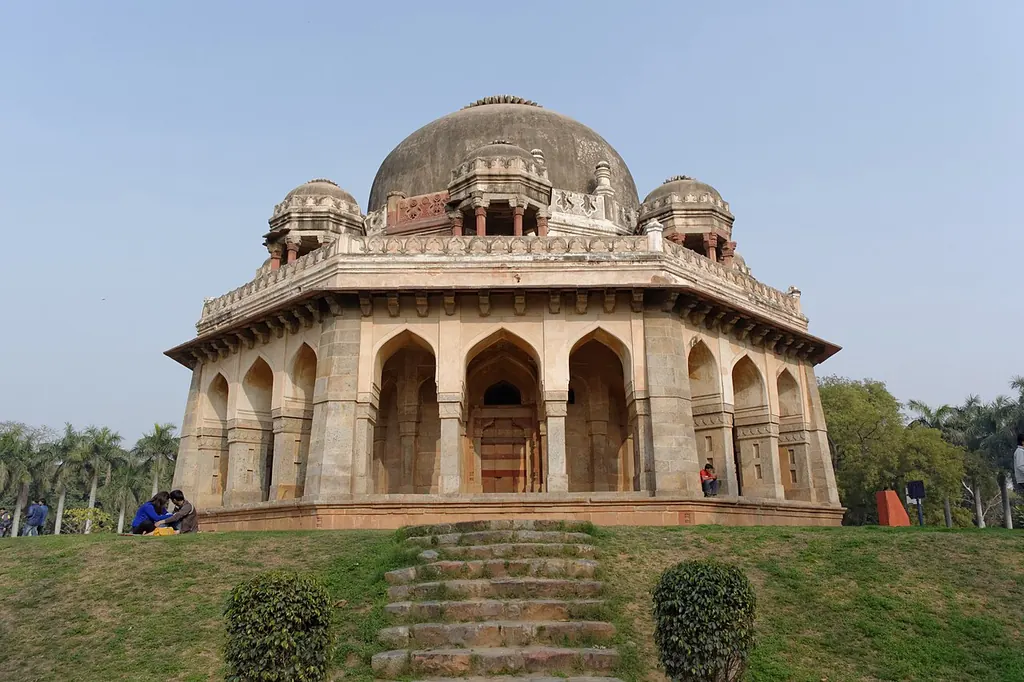
Delhi: bringing the journey together
Lodhi Gardens' architecture illustrates a possible cultural ending. Return, departure or an additional capital-city day follow the overall programme.
Your journey of discovery
The route, the stories of places and easily missed details. Open a day or stage for practical information, a closer look and an optional personal question.
This is a programme outline for a group: dates, pace and visits are confirmed by agreement. Traditions are distinguished from historical information. Ritual participation, personal questions and sharing answers are optional.
01 · Delhi
The day’s route or stage
Welcome, an introductory discussion and preparation for Punjab.
A first look without a ready-made conclusion
The introductory day leaves room for your own impression of Delhi. Rather than adding compulsory stops, notice how sound, light and movement introduce the city; the walk remains linked to arrival time.
Take a closer look
Choose one small urban detail for a note; ask before photographing people.
Your discovery
Which question about the place would you like to explore through experience?
02 · Amritsar
The day’s route or stage
The Golden Temple and the city. Visiting time follows daily routines and overall logistics.
Four entrances and an idea of openness
The Golden Temple’s four entrances connect architecture with the Sikh ideal of openness to people of different backgrounds. This simple spatial gesture adds meaning to the evening view.
Take a closer look
Notice movement around the water; follow entry rules and respect worship.
Your discovery
How can a space make someone feel welcome?
03 · Goindwal
The day’s route or stage
A regional excursion to the shrine with guide explanations and time to explore independently.
Steps connecting history and practice
Goindwal’s baoli is associated with Guru Amar Das, with 84 steps leading towards the water. For pilgrims it is a place of religious practice, showing how meaning can be expressed through a place’s design.
Take a closer look
If access allows, notice light, depth and the rhythm of the steps; ritual participation is optional.
Your discovery
How can a repeated simple action change your attention?
04 · Tarn Taran
The day’s route or stage
Continue through Punjab and visit the gurdwara when accessible.
A shrine and its expanse of water
Tarn Taran’s gurdwara is associated with Guru Arjan Dev. Its large sarovar, the sacred pool, shapes the setting. Rather than comparing temple sizes, notice how water, circulation and architecture establish a rhythm for visitors.
Take a closer look
Notice the reflection and open space without obstructing pilgrims.
Your discovery
What kind of space helps you slow down naturally?
05 · Anandpur Sahib
The day’s route or stage
A separate itinerary stage; programme scope and transfer depend on the chosen duration.
A historical event and shared belonging
Guru Gobind Singh founded the Khalsa at Anandpur Sahib in 1699. This historical point opens a discussion beyond individual shrines about community, memory and belonging. The extent of visits still depends on the agreed journey length.
Take a closer look
Ask which visible symbols relate to the community’s history; do not infer personal beliefs from appearance.
Your discovery
What creates belonging: a shared symbol, story or action?
06 · Return to Delhi
The day’s route or stage
Agreed transfer and departure, or an extra cultural day in the capital.
Leaving room for continuation
Returning gives time to arrange impressions in your own sequence. You might choose one story, one detail and one question to pursue after the trip. A shared conclusion or account of personal experience is optional.
Take a closer look
Keep a note for yourself and allow time for the agreed transfer.
Your discovery
Which interest would you like to return to at home?
Practical notes and preparation
What to keep in mind
Excursion order and duration are determined after your request. Gurdwara visits require compliance with its rules. A specific teacher's or community's participation is agreed separately. Religious activities are voluntary; the route can focus mainly on culture.
Discuss before confirmation
Agree Punjab transfer lengths, visiting times and gurdwara requirements before departure. Individual meetings and the depth of each stage are clarified during preparation rather than implied by the route title.
Must I answer the itinerary’s questions?
No. They invite a closer look and optional reflection. You may simply observe; sharing personal thoughts or joining religious practices is not required.
Would you like a deeper study of the Sikh Gurus or a first introduction to Punjab? Tell us about your group and timing to shape the sequence, guiding and quote.
Photographs and sources
Delhi: the beginning of a Sikh journey. Soma das — Wikimedia Commons · CC BY-SA 4.0. Resized and converted to WebP; no retouching by WST.

Amritsar: architecture and living tradition. This picture has been taken by Oleg Yunakov. Contact e-mail: yunakovgmail.com. Image can be used in accordance with the terms of the СС-BY-SA license. Other photos can be seen here. — Wikimedia Commons · CC BY-SA 3.0. Resized and converted to WebP; no retouching by WST.

Goindwal: another chapter of heritage. Jasleen Kaur — Wikimedia Commons · CC BY-SA 2.0. Resized and converted to WebP; no retouching by WST.

Tarn Taran: continuing the Punjab journey. jasleen_kaur — Wikimedia Commons · CC BY-SA 2.0. Resized and converted to WebP; no retouching by WST.

Anandpur Sahib: a distinct cultural stage. Ssriram mt — Wikimedia Commons · CC BY-SA 4.0. Resized and converted to WebP; no retouching by WST.

Delhi: bringing the journey together. Slyronit — Wikimedia Commons · CC BY-SA 4.0. Resized and converted to WebP; no retouching by WST.
